



Cornish Wedding Venues Compared: Barn, Country House or Coastal Hotel
Barn, country house or coastal hotel? A practical comparison of three Cornish wedding venue types, covering capacity, accommodation, catering, licensing and atmosphere.
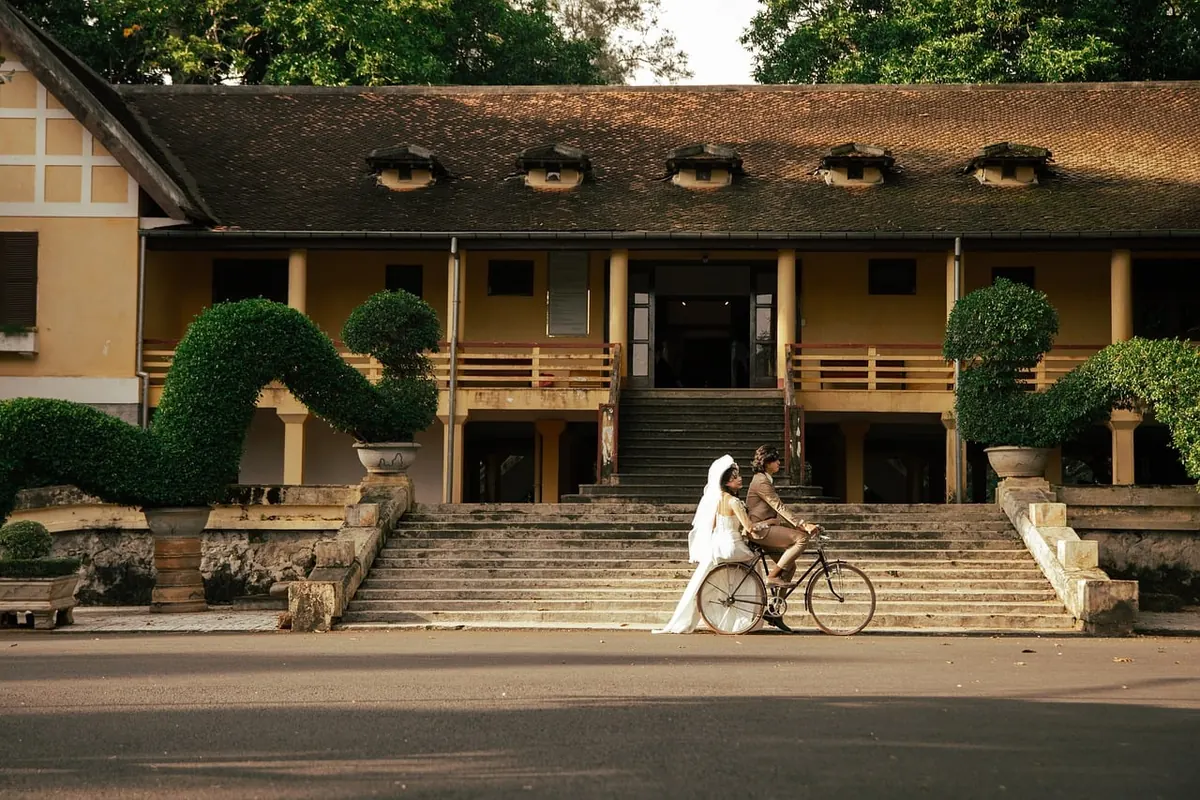
Choosing a venue is the decision everything else hangs off: the date, the guest list, the budget, and how the day actually feels. Cornwall offers all three of the classic options in abundance, and they behave very differently once you start planning. A converted barn, a country house and a coastal hotel can each host a wonderful wedding, but they ask different things of you.
Here is how the three compare on the details that tend to cause the most last-minute stress.
Barns: character, space and a blank canvas
Cornish barns are usually stone and timber, converted with high ceilings, exposed beams and big open rooms. You will find them on working farms and rural sites around Wadebridge, Bodmin, the Roseland and inland towards Launceston.
What they give you is freedom. Most barns let you decorate as you like, bring in your own suppliers more readily than other venues, and keep the music going later because there are no neighbours within earshot. The look is warm and informal, and photographs in a hay barn or across a field at golden hour are hard to beat.
The trade-offs are practical. Uneven floors and cobbles are awkward for heels and for guests with limited mobility. Heating in a barn in March or October is a serious line in the budget, and toilets or a bar may sit in a separate block. Rural lanes make coach access tight. Capacity typically runs from around 60 seated in a smaller barn to 200 in a large one, and on-site accommodation is often just a cottage or two, so most of your guests will be booking locally.
Country houses: grounds, history and a sense of occasion
A country house wedding feels like an event from the moment guests turn into the drive. Cornwall has Georgian manor houses, Victorian estates and smaller period houses with walled gardens, lawns for drinks, and a drawing room, orangery or converted outbuilding for the meal.
Space is usually split across the site, which is charming but worth understanding: ceremony in one room, reception on the terrace, dinner in a marquee or barn, dancing back inside. That works beautifully, but it means guests move around, so think about weather, lighting and how easy the routes are in the dark.
Accommodation is often a real selling point, with many houses sleeping twenty to forty across the main building and nearby lodges. Catering tends to be handled by the house or chosen from an approved list, which keeps quality consistent but leaves less room for a friend who cooks or a specific outside caterer. Ask which rooms and outdoor areas are licensed for civil ceremonies, because approval is granted room by room and can exclude the exact spot you pictured.
Coastal hotels: sea views with the logistics handled
The hotel does the work. Ceremony, meal, evening party, bedrooms and breakfast all happen under one roof, which matters enormously if most of your guests are travelling down from elsewhere. Nobody has to find a taxi at midnight along a dark lane.
Capacity varies widely. Larger hotels in places like Newquay, Falmouth or St Ives can seat well over 150, while smaller boutique hotels do intimate weddings of forty to eighty very well. Catering is usually a set menu or package, so flexibility is lower and per-head costs are clearer. In exchange you avoid marquee hire, generator hire, portable toilets and a long list of separate supplier contracts.
Licensing is generally straightforward, since hotels hold an approved premises licence and work with the local register office regularly. The things to watch are the public areas, other guests sharing the building, and the fact that your sea-view photographs depend entirely on the weather. High summer Saturdays in Cornwall book up early and cost the most.
Capacity, accommodation and the numbers that decide
Headline capacity is marketing. The number that matters is the seated dining capacity of the room you will actually use, in the layout you want. Ask each venue for:
- Seated dining capacity and evening-only capacity, in the specific room
- Number of on-site bedrooms, and whether they are held for your guests or bookable by the public
- Distance to the nearest town, taxi firms and guest accommodation
- Music and alcohol curfew, and any noise limits
- Exclusive use, or shared with other guests
Then do the honest arithmetic. A barn with no beds means arranging transport and accommodation for sixty people, which is real money and real coordination, even if the hire fee looks smaller.
Catering and licensing: read the small print
Catering arrangements fall into three rough groups: fully in-house, an approved supplier list, or bring your own. Ask about corkage, cake cutting, dietary requirements, service charge, and whether the kitchen can handle a late change of numbers.
On the legal side, a civil ceremony must take place at approved premises or a register office. Some approved venues can now hold ceremonies outdoors in gardens and terraces, but only where their approval covers it. A celebrant-led ceremony is not legally binding in England, so couples who want one usually arrange a separate civil ceremony at a register office as well. Rules and licence conditions change, so confirm the current position with the venue and the Cornwall register office, and take proper advice on any contract before you sign it.
Atmosphere: what should the day feel like?
Barns suit relaxed, hands-on couples who want a party that runs late. Country houses suit anyone who wants elegance, gardens and a sense of arrival. Hotels suit couples who want guests together and the planning kept simple.
Match that to your guest list. Grandparents, small children and a long walk across a field in the rain is a different experience from a lift to a bedroom. A formal house can feel stiff if your crowd is a loud one; a barn can feel basic if your crowd expects linen and silver. Neither is wrong, but the mismatch is what people remember.
Choosing well: a practical next step
Visit at the time of day and, if you can, the season you plan to marry. Walk the route your guests will take from car park to ceremony to bar. Ask for a written breakdown of what is included and what is extra, from corkage to chair covers to the marquee floor.
Then shortlist two or three, compare the true total cost rather than the hire fee, and trust the feeling you get standing in the room. In Cornwall, summer Saturdays at the best-known venues are often booked eighteen months to two years ahead, so if you have a date in mind, start looking sooner rather than later.
Photo: Jupilu / Pixabay